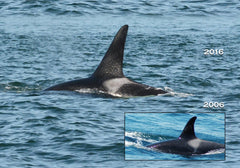
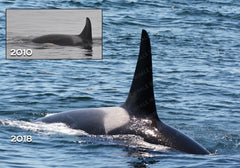
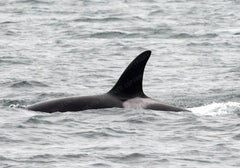
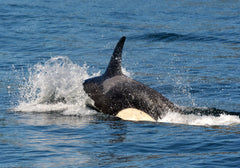
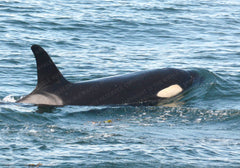
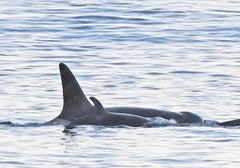
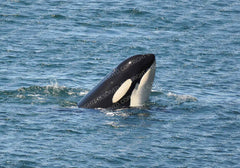
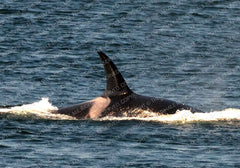
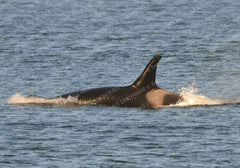
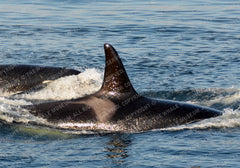
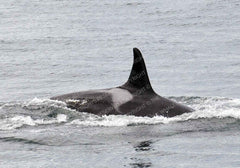
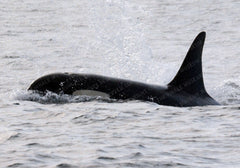
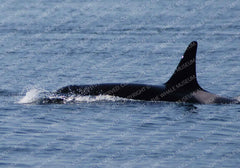
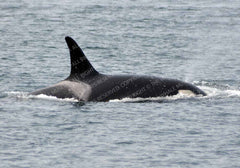
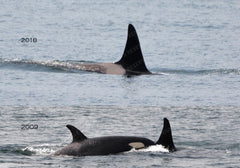
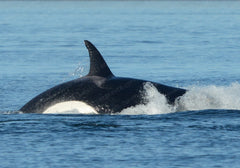
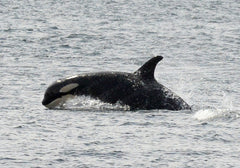
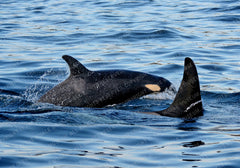
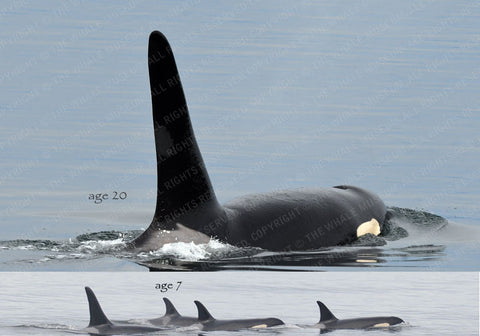
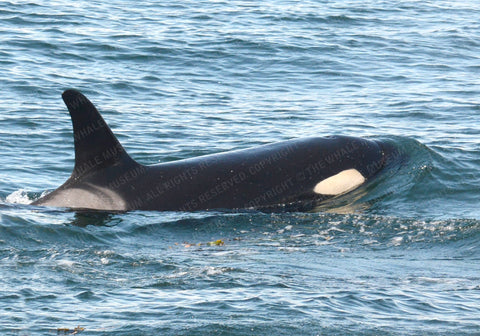
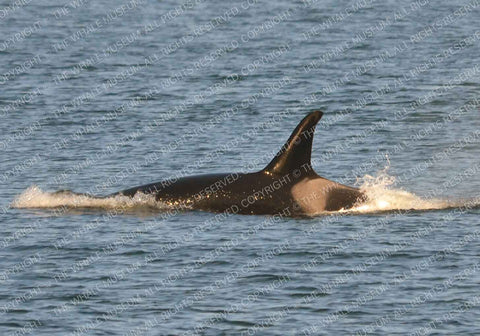
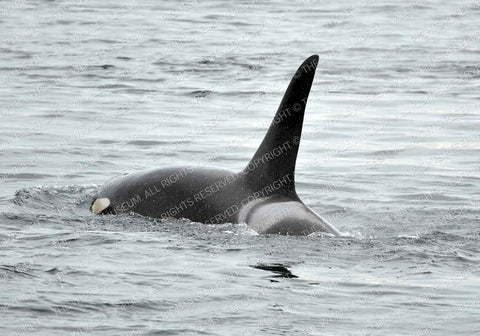
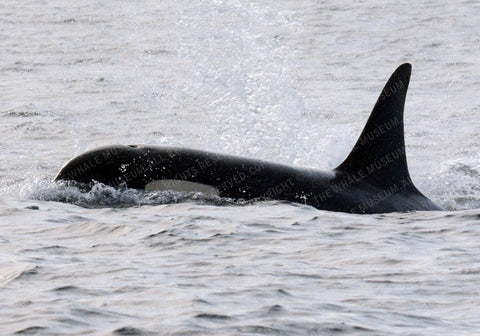
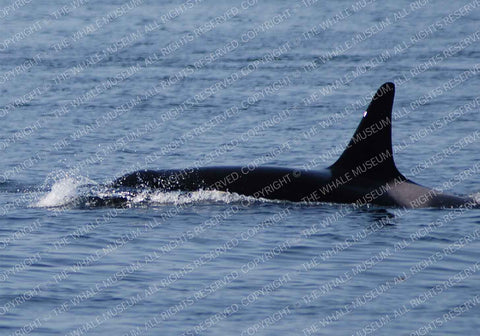
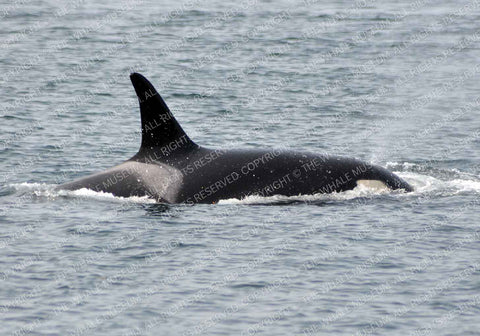
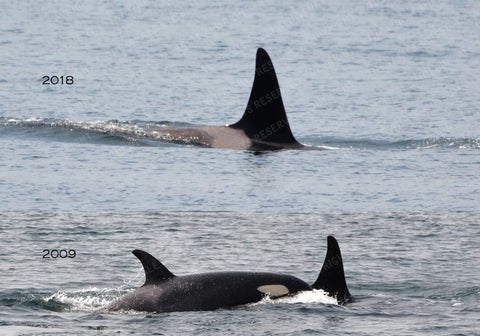
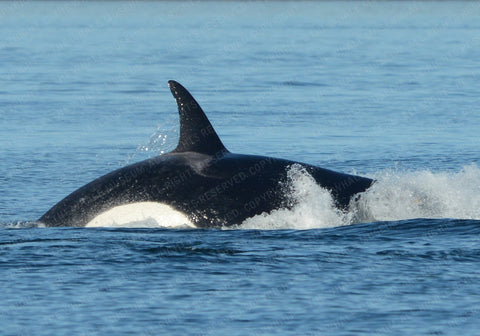
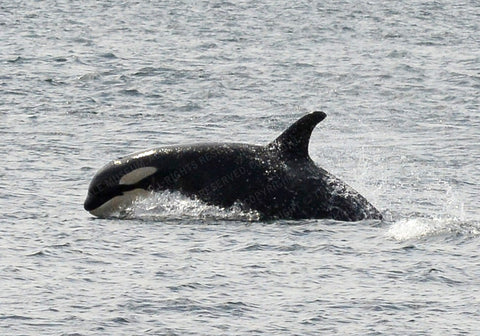
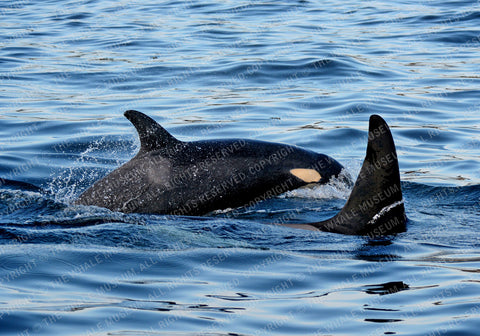
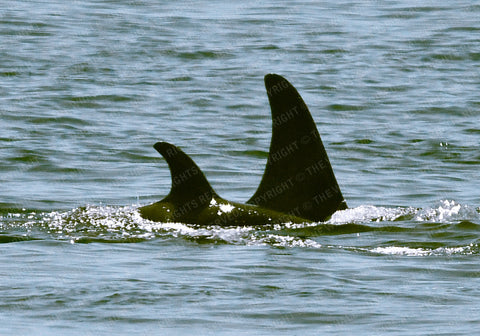
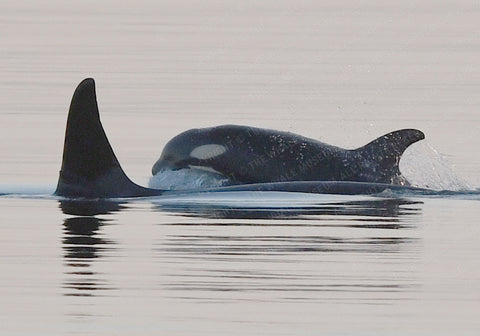
J-16 Slick
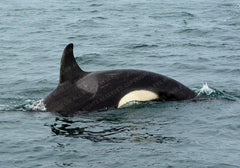
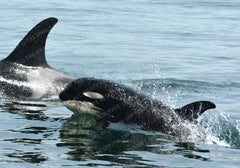
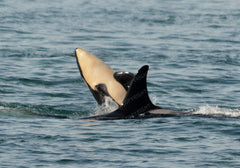
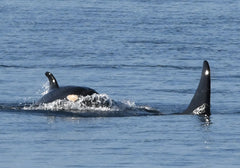
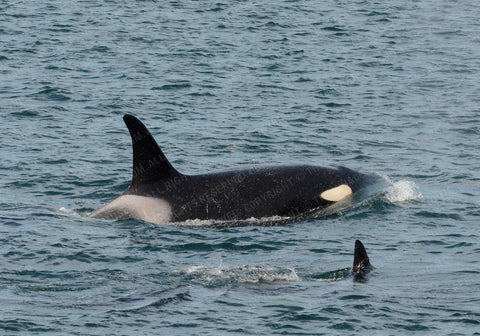
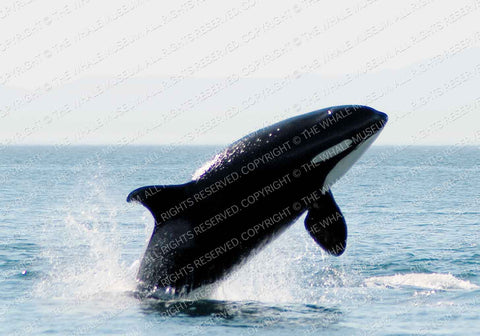
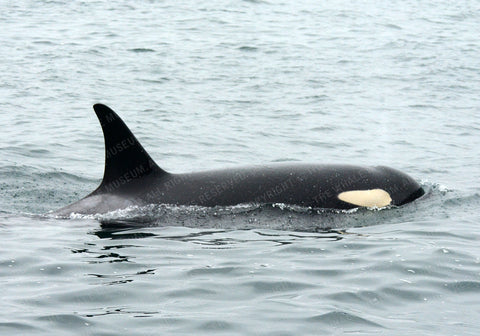
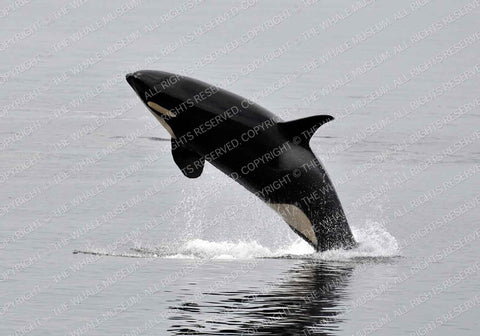
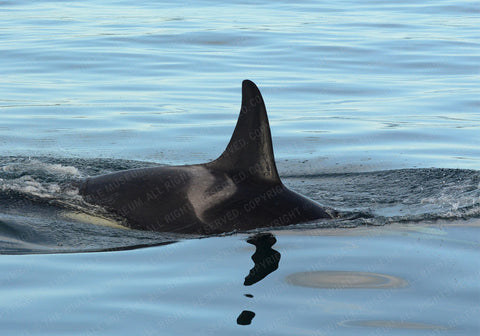
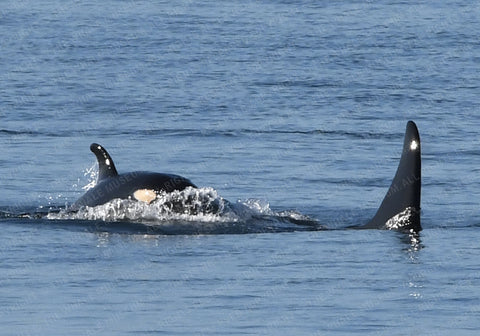
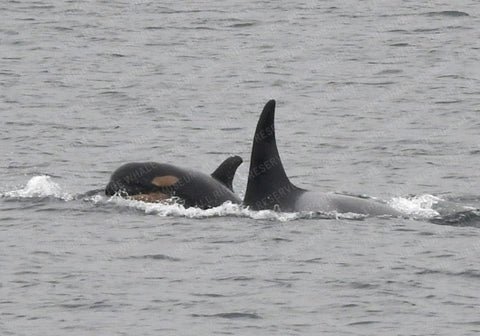
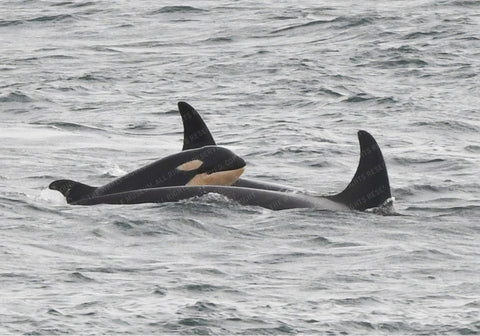
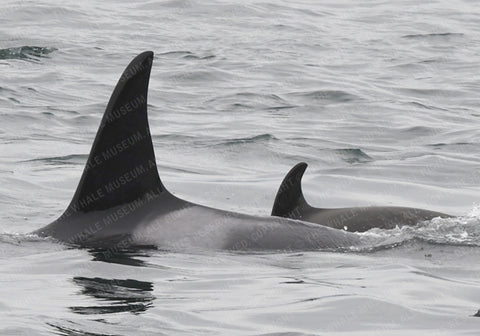
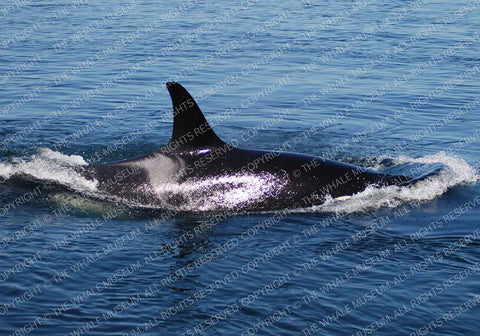
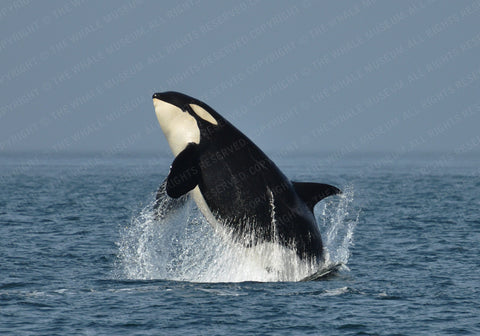
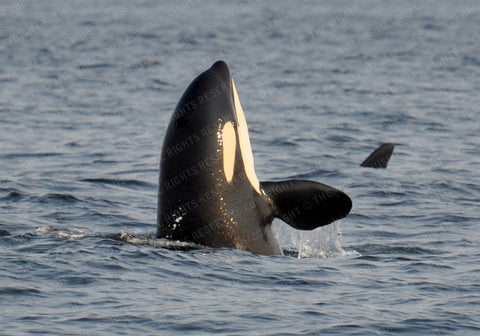
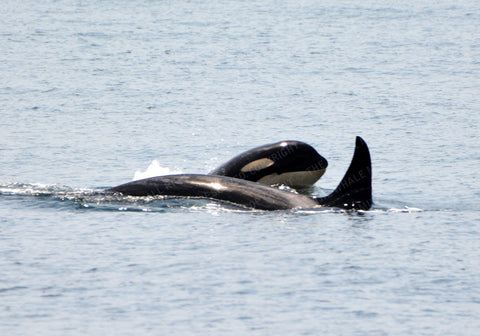
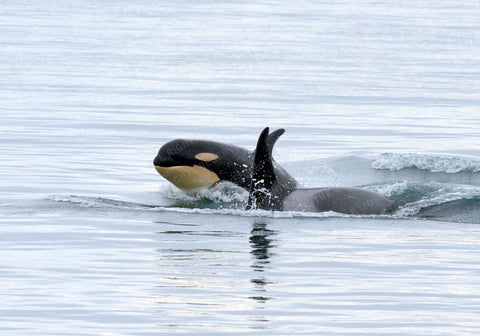
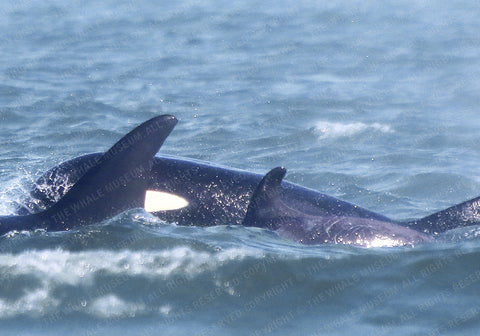
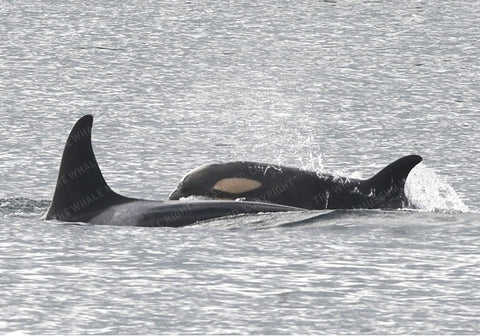
Slick has three living offspring. Mike (J-26), Alki (J-36), and Echo (J-42). This family had two calves, one born in December 2014 and the other in March 2015, Sonic (J-52), Slick's only grandson, and Scarlet (J-50), Slick's youngest offspring. Neither lived to the age of four.

54 years old
Adopt
or
close
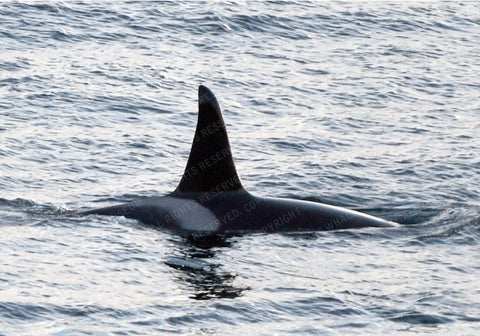
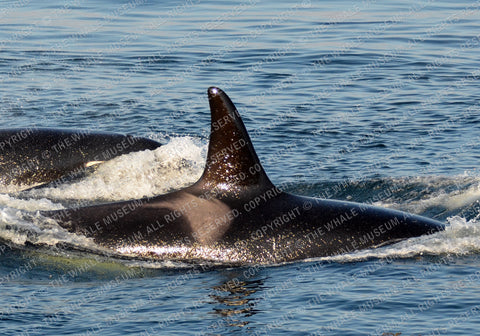
J-19 Shachi
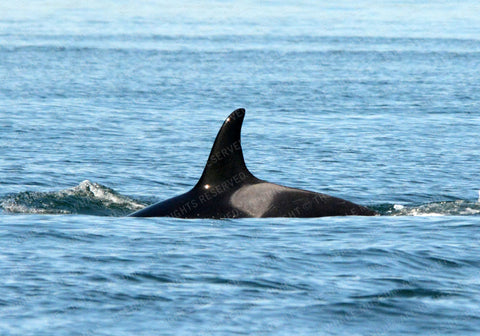
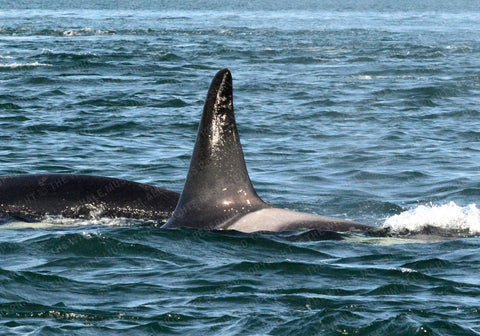
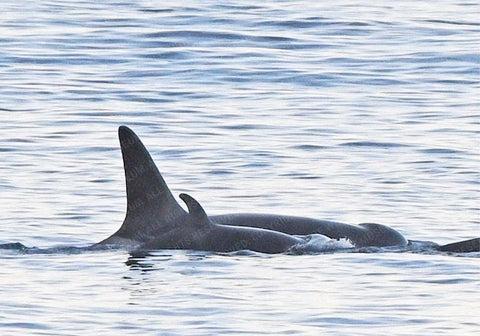
Shachi's first calf, J-29, lived only a few weeks. She spent much of her time babysitting young calves until July 1, 2005 when she had another calf, Eclipse (J-41). Shachi became a first time grandmother in February 2015 when Eclipse had her first offspring, J-51. In 2020 she became a grandmother again, Crescent (J-58).
47 years old
Adopt
or
close
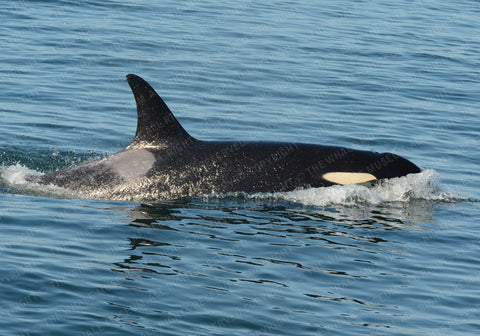
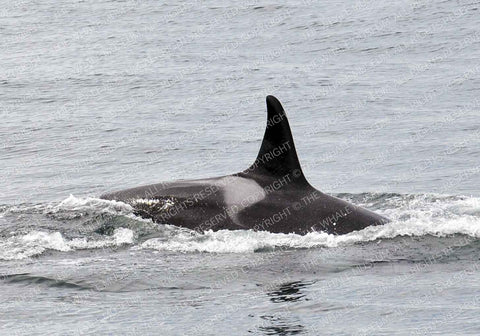
J-22 Oreo
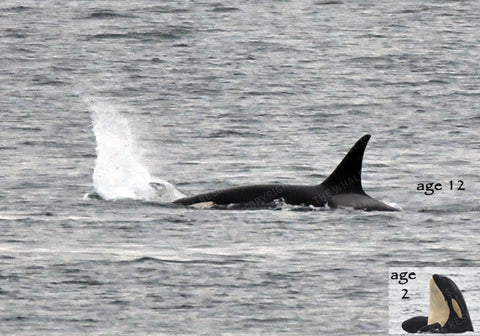
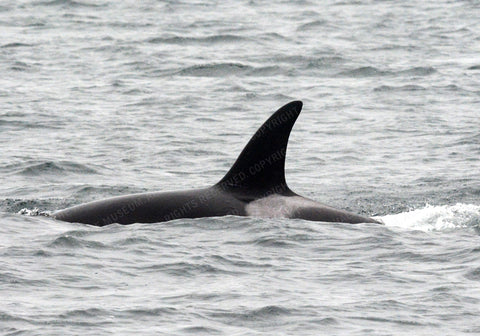
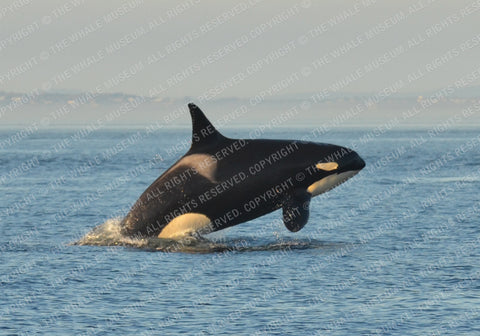
Oreo belongs to what was once a large extended family group. She is the mother of two males, DoubleStuf (J-34) who died in 2016, and Cookie (J-38) a teenage male. She and Cookie are often seen with the J11 family group consisting of Blackberry (J-27), Tsuchi (J-31), and Mako (J-39).
41 years old
Adopt
or
close
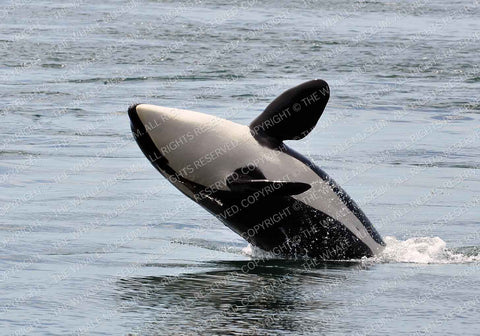
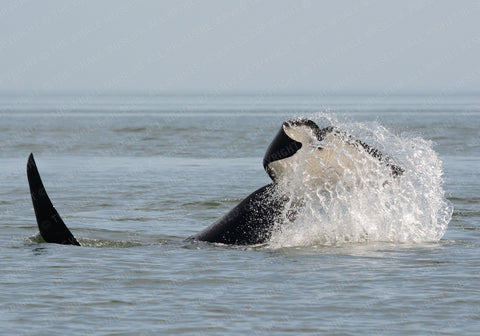
J-26 Mike
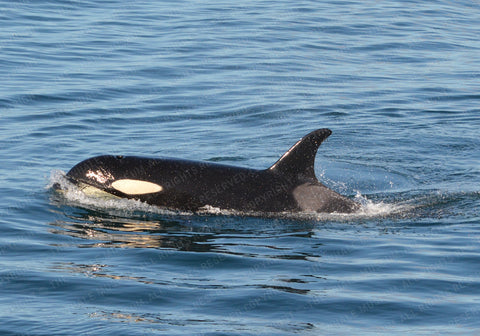
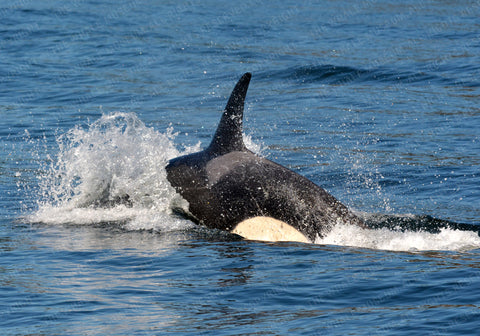
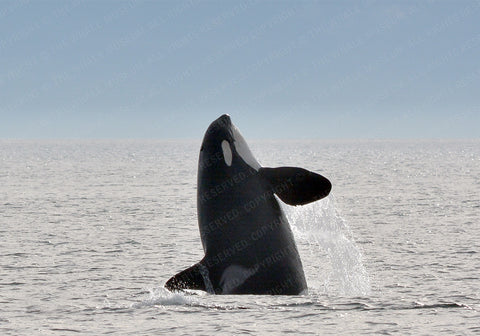
Mike is the first offspring of Slick (J-16). He was named after Dr. Michael Bigg, who was known as the "father of killer whale research". Mike has 2 living siblings, Alki (J-36) and Echo (J-42) and he is often seen traveling and playing with them.

35 years old
Adopt
or
close
J-27 Blackberry
Blackberry, his brother Mako (J-39) and sister Tsuchi (J-31) lost their mother, Blossom (J-11), in 2008. They travel closely with the J22 and the J17 family groups.
35 years old
Adopt
or
close
J-31 Tsuchi
Tsuchi is Blackberry's (J-27) younger sister. Her name comes from the Japanese word for "melon-headed whale," a North Pacific species of cetacean sometimes seen off the coast of Washington.
31 years old
Adopt
or
close
J-35 Tahlequah
Tahlequah is one of Princess Angeline's (J-17) offspring. Tahlequah's two living siblings are her brother, Moby (J-44), and her sister, Kiki (J-53). Tahlequah is the mother to Notch (J-47) who was born in 2010. Her niece, Star (J-46), is three months older than Notch. With several younger whales in this family group, Tahlequah and Princess Angeline are kept very busy.
28 years old
Adopt
or
close
J-37 Hy'Shqa
Hy'Shqa (pronounced "Hy'shka") had her first offspring, T'ílem Ínges (J-49), in August 2012. She was seen with her second known offspring, Sweqo'llh (J-59), on March 1, 2022. Hy'Shqa's family consists of living siblings Suttles (J-40) and Se-Yi'-Chn (J-45), and her late mother Samish (J-14), and great-grandmother Granny (J-2). "Hy'Shqa" is a Coast Salish/Samish word for "blessing" or "thank you." The name was give to her during a traditional potlatch ceremony held by the Samish Nation on October 6, 2001.
25 years old
Adopt
or
close
J-38 Cookie
Cookie is Oreo's (J-22) youngest calf. Cookie is the brother of the late DoubleStuf (J-34), who died in late 2016 as a result of suspected vessel strike. Cookie is part of a very tight knit family group.
23 years old
Adopt
or
close
J-39 Mako
Mako's name derives from the Japanese "Makkōkujira, (マッコウクジラ)" which means sperm whale. Mako has two siblings, Blackberry (J-27), and Tsuchi (J-31). He is a very playful whale.
23 years old
Adopt
or
close
J-41 Eclipse
Eclipse is the second calf of Shachi, J-19. Eclipse was born on July 1, 2005, and initially raised concerns among biologists because she was unusually small for calf. Eclipse proved to be healthy, however, and she has gone on to give birth to several calves: Nova (J-51), Crescent (J-58), and the yet unnamed J-62, born around December of 2024.
21 years old
Adopt
or
close
J-42 Echo
Echo is the fourth known calf of Slick (J-16). She is very active, often seen leaping above the surface. Echo is short for 'echolocation' which is what the whales use to navigate and forage.
19 years old
Adopt
or
close
J-44 Moby
Moby is the first male offspring of the late Princess Angeline (J-17). He has two sisters, Tahlequah (J-35), and Kiki (J-53). Genetic testing published in 2011 confirmed that Moby's father was the late Mega (L-41).
17 years old
Adopt
or
close
J-45 Se-Yi'-Chn
Se-Yi'-Chn (pronounced "sea-ee-chin") is a Coast Salish/Samish word meaning "younger sibling" or the younger one in the family. He is the sixth offspring of the late Samish (J-14). His living siblings are Hy'Shqa (J-37) and Suttles (J-40). Se-Yi'-Chn was named in a traditional potlatch naming ceremony held by the Samish Nation on October 17, 2009.
17 years old
Adopt
or
close
J-46 Star
Star is the first offspring of Polaris (J-28), seen for the first time passing by Lime Kiln Lighthouse on November 11, 2009. In 2016, as her mother, Polaris was perishing and still nursing her little bother (one-year-old Dipper, J-54), Star was seen both bringing her mother salmon and pushing baby Dipper up for air. She was only seven years old. Star is a star.
17 years old
Adopt
or
close
J-47 Notch
Notch is the first offspring of Tahlequah (J-35). He has a cousin named Star (J-46) and an uncle named Moby (J-44). The three are often seen playing together. He acquired a large notch on the trailing edge of his dorsal fin before he was a year old.
16 years old
Adopt
or
close
J-49 T'ilem I'nges
T'ílem I'nges (pronounced Teelem Eenges) received his name on June 29, 2013 at a traditional Samish Indian Nation naming ceremony, and his name means "singing grandchild". He is the first offspring of Hy'Shqa (J-37). Three of her offspring, J-37, J-40 and J-45 also received their names in this manner. J-49's grandmother is Samish (J-14).
14 years old
Adopt
or
close
J-51 Nova
Nova is the first offspring of Eclipse (J-41). He has the distinction of being born to the youngest known mother in this community. At the age of just a few months, he was already having 'play dates' with Notch (J-47).
11 years old
Adopt
or
close
J-53 Kiki
Kiki has a special name. She is named in honor of Chief Seattle's daughter's original name, Kikisoblu, of the Lushootseed, a native language used in most of western Puget Sound in the 1800's. Kiki is the fourth offspring of Princess Angeline (J-17), who passed away in 2019. She has one living sister, Tahlequah (J-35), and one brother, Moby (J-44). She is an aunt to her sisters' offspring, Star (J-46) and Notch J-47.
11 years old
Adopt
or
close
J-56 Tofino
Tofino is the second offspring of Tsuchi (J-31). She was first seen on May 30, 2019, near Tofino, an area on the outer coast of Vancouver Island, British Columbia. Tofino would go on to be named after the area. She has two uncles, Blackberry (J-27) and Mako (J-39).
7 years old
Adopt
or
close
J-57 Phoenix
Phoenix has a name that represents that which can overcome the odds. It was known that Tahlequah was pregnant but because she had lost her previous calf in 2018, J-57 was not expected to survive birth. In spite of all the odds he did and he has continued to thrive. He joins his brother, Notch (J-47), who is very attentive to his little brother.
6 years old
Adopt
or
close
J-58 Crescent
Crescent J-58 is a female!
Crescent is the word used to represent a lunar phase of the moon. The name Crescent may be showing the beginning of a new moon and in the case of this orca, a new life is beginning. Crescent’s mother, Eclipse (J-41), and Crescent’s brother, Nova (J-51), have names related to the solar system. It’s a wonderful way to connect this young family together.
6 years old
Adopt
or
close
J-59 Sxwyeqo'lh
Sxwyeqólh (J-59) (translation: Reason for Hope Child; pronounced Swee-uh-kosh), brings hope for the future. Her mother is Hy'Shqa (pronounced "Hy'shka") a Coast Salish/Samish word for "blessing" or "thank you." The name was given to her during a traditional potlatch ceremony held by the Samish Nation on October 6, 2001. J-59’s brother T'ílem Ínges (J-49), aunt Suttles (J-40) and uncle Se-Yi'-Chn (J-45) received their names in the same way when they were very young. J-59 received her name during the Samish Indian Nation's Naming Ceremony on June 24, 2023.
4 years old
Adopt
or
close
K-14 Lea
Lea has two living offspring: Yoda (K-36) and Kelp (K-42). Lea's had several variations of her name throughout her life, starting with Leia, before it was changed to Leon in 1986 after researchers thought K-14 may have been a male. Following confirmation that K-14 was a female, however, the name changed to Lea.
49 years old
Adopt
or
close
K-16 Opus
Opus was seen with her first calf during the winter of 2000/2001, however the calf did not survive. In late 2002 she had her second offspring, Sonata (K-35), who can most often be seen close by his mother.
41 years old
Adopt
or
close
K-20 Spock
For years researchers thought Spock was male because of her tall, straight dorsal fin that is typical of males. However, in December 2004 she had her first known calf, Comet (K-38), proving that she is indeed a female.
40 years old
Adopt
or
close
K-22 Sekiu
In spring 2001 Sekiu was seen with her first calf, Tika (K-33). She and Tika are close knit and can often be seen with Sekiu's mother, Sequim.
39 years old
Adopt
or
close
K-27 Deadhead
Deadhead is one of four offspring born to Skagit (K-13). She was named to honor the passing of Jerry Garcia, the leader of the rock band "The Grateful Dead." Deadhead had her first offspring, Ripple (K-44), in July, 2011. Ripple was declared to be likely deceased in August of 2022.
32 years old
Adopt
or
close
K-33 Tika
Tika’s name has Native American Chinook language origins meaning "swift." He is the first known offspring of Sekiu (K-22). His dorsal fin took on many shapes as it grew. He and his mother belong to the K12 family group.
25 years old
Adopt
or
close
K-35 Sonata
Sonata is the only living offspring of Opus (K-16). Sonata’s dorsal fin has grown tall and may have reached its full height.
24 years old
Adopt
or
close
K-36 Yoda
Yoda is the fourth offspring of Lea. Yoda has one living sibling: Kelp (K-42). This family group traveled with J Pod during a few summers and now they are most often seen with K Pod whales. On more than one occasion, Yoda has been seen interacting with very young orcas in the community.
23 years old
Adopt
or
close
K-38 Comet
Comet is the first calf of Spock (K-20). A comet streaks through the dark night sky just like the whale, Comet, likes to streak by, just under the surface of the water. This young whale likes to travel close to his mom.
22 years old
Adopt
or
close
K-42 Kelp
K-42 Kelp is the fifth offspring of Lea, K-14. He has one living sibling: Yoda (K-36). Kelp is a spunky whale who has lots of playmates.
18 years old
Adopt
or
close
K-43 Saturna
Saturna is the fifth offspring of Sequim (K-12). Saturna and her brother, Rainshadow (K-37), are often seen playing together while their mother is off foraging.
16 years old
Adopt
or
close
K-45 Prosper
Prosper is the first calf born in K Pod in eleven years. Her mother is Spock (K-20) and her brother is Comet (K-38). Prosper's name relates to the iconic phrase in the Star Trek Series. It is hoped she will live a long life.
4 years old
Adopt
or
close
L-22 Spirit
Spirit L-22 (estimated birth year 1971) one living sibling, brother, Onyx (L-87). Spirit has had three calves while of reproductive age. Her youngest (Solstice L-89) went missing in 2022 and was declared deceased. Her two other offspring Panda (L-75) and Skana (L-79) died in 1993 and 2013 respectively.
55 years old
Adopt
or
close
L-25 Ocean Sun
Ocean Sun (estimated birth year 1928) has outlived her immediate family and is considered the oldest living Southern Resident.
98 years old
Adopt
or
close
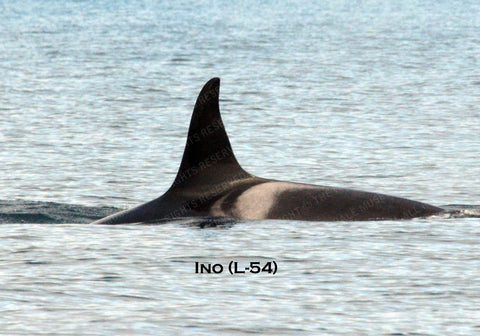
L-54 Ino
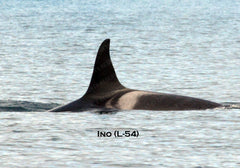
Ino was the last of her family lineage, until she had her first calf Indigo L-100 in 2001. Sadly Indigo passed away in 2014. In the spring of 2006, Ino gave birth to her second calf Coho (L-108). In December 2010 she had her third offspring Keta (L-117).
Her name was the winning entry in a naming contest in 1983, part of a campaign to prevent the capture of orcas for public display. Partly as a result of this effort, all orcas are protected from further capture in both the U.S. and Canada.
49 years old
Adopt
or
close
L-72 Racer
Racer was first photographed off Race Rocks, near Victoria, British Columbia. Racer had a younger brother Nigel (L-95), who died from a fungal infection in 2016. In October 2004, Racer had her first calf, Fluke (L-105).
Racer has been observed in a state of pregnancy multiple times over the last decade but has unfortunately lost these pregnancies, as she has not been observed with a new calf.
40 years old
Adopt
or
close
L-77 Matia
Matia is eight years older than her sister Calypso (L-94). Matia is only the second whale of the L-12 subgroup to have a calf, L-114, in the last fourteen years. Her first offspring, L-114, seen in February 2010 did not survive. On May 29, 2012, Matia was seen with a new calf, Joy (L-119). In early 2019, a new calf, Whistle, L-124, was seen in Puget Sound and later determined to be the offspring of Matia!
39 years old
Adopt
or
close
L-86 Surprise!
The birth of Surprise surprised researchers back in 1991 since there was a 14-year gap between Surprise (L-86) and her older sister, Nugget (L-55). Surprise's sister, Ophelia (L-27), passed away in 2015. Surprise has two living offspring Pooka (L-106), and on February 17, 2021, she was seen with a new calf, Element, L-125. Her other offspring, Sooke (L-112), died in February 2012 and is now honored through an exhibit at The Whale Museum.
35 years old
Adopt
or
close
L-87 Onyx
Onyx's family consists of his sister Spirit (L-22). Onyx is somewhat unusual in the Southern Resident killer whale community in that he has changed pods throughout his life. Born in 1992, he stayed with his mother (Olympia, L-32) in L pod until she died in 2005. He then began traveling with K pod for around four years, often spotted next to Lummi (K-7) and Georgia (K-11).
After they passed away, (Lummi in 2008 and Georgia in 2010) Onyx started traveling with J pod; like his time with K pod, he seemed drawn to the older females. Observers noticed him often traveling alongside Speiden (J-8, died in 2013), Granny (J-2, died in 2016), and Princess Angeline (J-17, died in 2019). Sometime after Princess Angeline’s death, Onyx left J pod and returned to L pod.
34 years old
Adopt
or
close
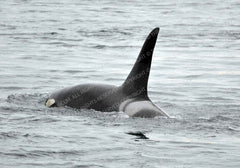
L-88 Wave Walker
Wave Walker is the only living offspring of the family group the L2s. Wave Walker got his name because when researchers first saw him, he was gliding along the top of the water in his mother's slipstream.
33 years old
Adopt
or
close
L-90 Ballena
Ballena means "whale" in Spanish. The killer whale is often referred to as "ballena pinta" or the painted whale. Ballena is often seen with the L55 and the L47 family groups.
33 years old
Adopt
or
close
L-94 Calypso
Calypso has a sister, Matia (L-77) and had a brother, Mega (L-41). who was unfortunately declared likely deceased in early 2020. Her first offspring Cousteau (L-113) was born in October 2009. Her second, Windsong, L-121, was born in February, 2015. Calypso's two sibling are often seen socializing.
31 years old
Adopt
or
close
L-105 Fluke
Fluke got his name because there was uncertainty as to who his mother was. After several encounters, researchers determined that Racer (L-72) is his mother. When he reached his teenage years his dorsal fin began sprouting.
22 years old
Adopt
or
close
L-106 Pooka
Pooka is a creature of myth. According to legend, Pooka is an adroit shape changer and most commonly takes the form of a sleek black or white horse. This Pooka is a killer whale who was born to Surprise! (L-86).
21 years old
Adopt
or
close
L-108 Coho
Coho is the second calf of Ino's. Coho has one living sibling, Keta (L-117). Coho and Keta are names for some of the salmon species that the Southern Resident orcas feed on in the Pacific Northwest.
20 years old
Adopt
or
close
L-109 Takoda
Takoda is the fourth known calf of Nugget (L-55), first seen near Monterey Bay, California in March, 2007. Takoda means "friend to everyone" in the Sioux Indian language.
19 years old
Adopt
or
close
L-110 Midnight
Midnight is the first known calf of Moonlight (L-83). He was first seen in midsummer in the Strait of Juan de Fuca traveling in his mother's slip stream. Midnight was only a day or two old when first spotted.
19 years old
Adopt
or
close
L-119 Joy
Joy is the second calf of Matia (L-77). She was first seen on May 29, 2012. She is a spunky whale and is sometimes seen playing with her cousin Cousteau (L-113). She travels closely with her mother in the L12 subgroup.
14 years old
Adopt
or
close
L-121 Windsong
Windsong is the second calf of Calypso (L-94). He was first seen on the outer coast of Washington in February 2015 by NOAA researchers. Windsong has an older sister, Cousteau (L-113), who was born in October 2009. These two siblings are often seen socializing.
11 years old
Adopt
or
close
L-123 Lazuli
Lazuli is a dark blue semi-precious stone prized for it's deep color. Lapis Lazuli is the full name for this stone that is called Lapis for short, the name of Lazuli's mother, Lapis (L-123). Lazuli was born in late December 2015 into a large family group. The matriarch of this family is Nugget (L-55).
11 years old
Adopt
or
close
L-124 Whistle
Whistle is the third offspring of Matia (L-77). First seen in Puget Sound in January 2019, Whistle's name is for the whistling sounds the whales often make. Those sounds can be heard over the hydrophones when the Southern Residents are in the area. Whistle has one living sibling Joy (L-119), who is seven years older. Matia (L-77) and her two offspring travel closely together.
For many years Whistle's sex was unknown, but in 2023 she was finally confirmed to be female!

7 years old
Adopt
or
close
L-125 Element
Element was the winning name in the Name the Baby Contest. The Whale Museum member who suggested the name stated ‘as in the element of surprise'. Element’s mother, Surprise! (L-86) certainly did that on February 17, 2021, when she was seen with her new offspring, Element (L-125). Element has one living sibling Pooka (L-106).
5 years old
Adopt
or
close
L-126 Ken
Ken (L-126) is the first offspring of Joy (L-119). He was named in honor of Ken Balcomb. This family is part of the L12 subgroup.
3 years old
Adopt
or
close
L-127 Scuba
Scuba (L-127) is one of the two newest calves born into the L12 subgroup. Scuba (L-127)’s mother, Calypso (L-94), was named in memory of Jacques Cousteau whose legendary research vessel, Calypso, was used to discover and explore the seas and oceans. Her offspring are named to continue that honor.
3 years old
Adopt
or
close